 Skip to content
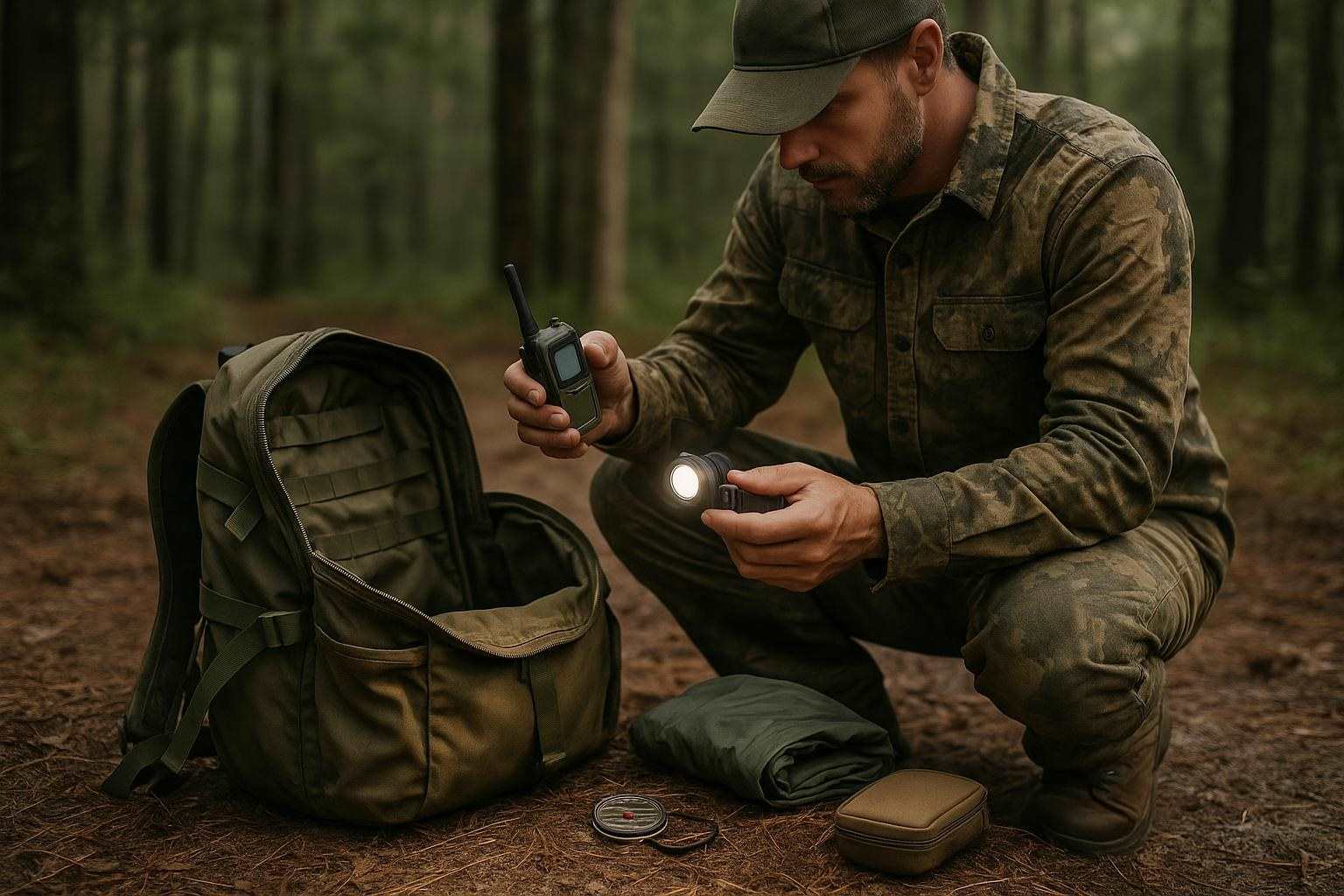
A pack can feel good at home. Become a pain after hours of walking, climbing or waiting in changing weather. The bigger mistake is leaving behind a communication device, a safety item or a weather layer because the load felt heavy. A useful check is not about carrying less. It makes sure every item has a reason to be there supports an fair hunt and still works when plans change.
Start with the hunt you are actually planning
Gear choices depend on access, land, season, weather and how long the trip will be. A short walk from a parking area does not need the gear as a remote day in mountainous area and a mild weather forecast is not a promise.
Write down the plan before opening the gear box: where you may park, how far you may go whether you will return before dark what navigation help is available and how you will manage an unexpected delay. This can show things while pointing out easy to ignore basics like warmth water treatment, a headlamp or a way to talk.
The best gear for hunting is not the choice. It solves a problem without making another one through strength hard to use or depending on a single weak part.
Check safety before comfort
Look at safety gear from things that make life easier. Make sure a phone, radio or other way to talk is charged, safe from water and works where you expect to go. Do not think coverage is there; know what to do if a message can't be sent.
Give navigation the care. A map you downloaded a compass and extra power can be important when batteries run out weather hides the way or a path looks different in light. Test the headlamp of trusting an old battery. Look at first-aid items for missing, broken or expired parts and carry things you know how to use.
Clothing is part of being safe in the field not for warmth. Bring a warm layer rain gear that fits the forecast and shoes that stay on the ground you will cross. Cotton can be bad when wet and exposed. No material stops cold. Decide based on conditions how much you. The chance of staying longer than planned.
Check the items that help make a fair shot
The check should include more than the pack. Look at the condition, fit and use of gear used to carry, recognize and find game. Loose straps, fasteners, fogged glasses or a bad sling can cause distraction at the wrong time.
Practice the steps you may need in the field: safe moving with the gun or bow controlled handling at a stop, clear target recognition and a way to mark where a shot lands. The goal is not to be fast but to avoid confusion when visibility, distance or animal movement is not what you expected.
If the shot does not offer an fair chance wait or walk away. No gadget can fix not knowing the target what is behind it. If finding the animal is possible in the land.
Remove duplicates, not safety
Lay everything out and group things by what they do. If several things fix the small problem while nothing covers navigation, weather or emergency talk the problem is clear. Look at items first; removing one large bag or extra layer may help more than swapping several small tools.
Use this check before leaving:
– Does each item meet a likely need a safety need or a legal rule?
– Can I use it in the rain or with cold hands?
– Is there a backup for any part that could leave me lost, exposed or unable to talk?
– Have I checked fit, charge, condition and access of just putting it in?
– Would not having it cause a problem or just a small issue?
– Can I carry the load comfortably for the planned distance and land?
Keep the list short to use. A list that turns into a habit of adding things has missed the point; it should clear out clutter. Find missing pieces.
Check rules before the pack's closed
Rules might control seasons allowed times to hunt, licenses, permits, tagging, reporting, methods, bright clothes or visibility rules access limits and electronic gear. Details change by place and can change so check the official wildlife group advice for the exact area and animal before going.
Also check signs about access, closures, fire rules and transport rules. Keep the info in a way you can read without needing a signal. If a rule is not clear ask the group instead of thinking last years way is okay.
This is where fair hunting becomes real. Know the rules for the animal and local limits that affect a shot, chasing or finding. A legal minimum is not always the choice; respect for land other people and the animal should shape the plan.
Pack for finding and taking care of the land
The gear should think about what happens after a hunt. Bring the way to mark or record the kill as needed keep meat from getting bad and move it without delay. How you do this depends on the animal, weather, distance and local rules. Finding is part of the hunt not something you think about later.
Take out all trash, including tape, food bags and single-use warmers. Avoid stepping on plants when a strong path is there and do not make new paths around wet areas or barriers. Care for the land in ways: stay in allowed areas, close gates as you find them and leave the place ready for the next person.
Think about the setup after every trip. Note what was not used what did not work what was hard to get and what you wished you had. Over time this record builds a system than chasing every new tool: a lighter load with fewer weak parts and more time for safe right choices, in the field.