 Skip to content
Essential Steps, for Legal Access to Wildlife Management Areas
When someone is getting ready for a hunting trip to a wildlife management area the first challenge often comes even before they get out of their car. Access can be very different from place to place. Gates might control entry to properties. Trails might cross lines between areas. Favorite spots might have rules than before. So it is important to check the places where you can go in what you are allowed to do and what rules are in place on the day of the hunt. This way it helps protect the time that is spent and reduces the chance of entering a place without permission. It also helps the work of managing these wildlife areas.
Understanding Map Limitations
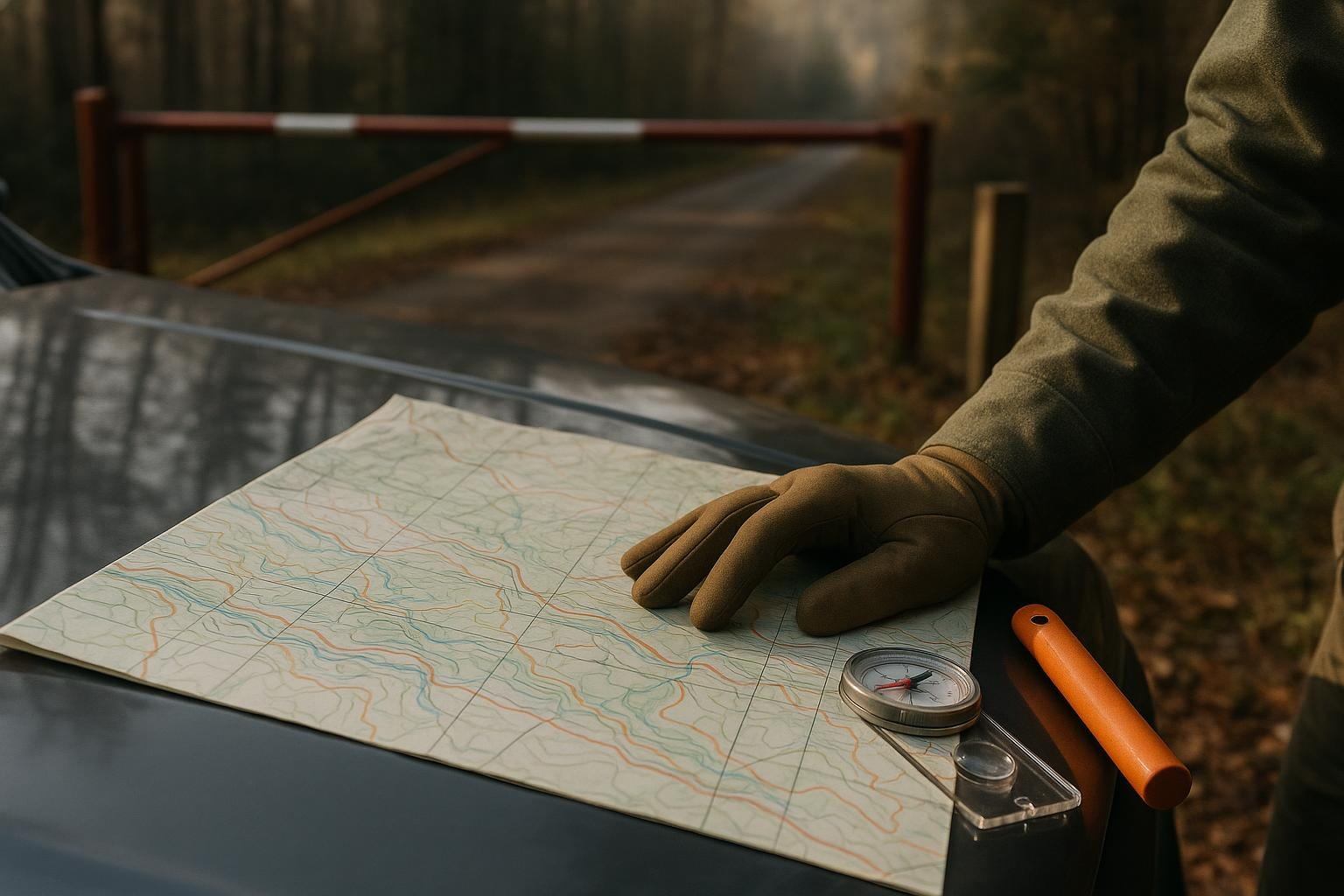
Whether someone is using a map, a paper map or a location marked on a phone it is important to see these tools as just a starting point. They can quickly become out of date. Missing some details. The paths to get in and the lines that mark the area can change because of new land being bought roads being. Rules that stop people from entering for a while.
The first thing to do is to look at the information from the agency that takes care of the area. This includes maps of the property notices about access, rules for times of the year and specific things that are allowed or not allowed. In places where the internet's not good it is an idea to get this information on a phone and save it without needing the internet. Also have a printed map or another way to check it. Before starting the trip write down the places to get in, where to park and other routes to be ready to move through the area without making a mistake.
Distinguishing Access Ownership
A road that goes toward a wildlife management area does not mean that all of the way is open for people to use. Along the way someone might cross land that is owned by someone meet a gate that's for a service road or reach a place that has certain rules for nearby areas. Just because a place is public does not mean that every road, place to get in or place to park is open for hunters.
Check the place that the agency says is open. Understand what is expected when arriving. A gate that is for people who work there might not be open for hunters. A place to park might be okay. Going down a path might not be allowed. Make sure to ask about permission for any place that's not clearly open for use during the trip.
If someone is not sure about the access use an entrance. A longer way that is legal is better than a cut that is guessed. When coming back from the trip note the signs that help to stay on the path. Never block gates enter farms take up space on the side of the road or stop emergency access.
Observing Regulatory Signage
Signs that are on the spot are the word on the rules that must be followed. These signs can show things like times when the area is closed places where hunting is not allowed, where to park or things like logging that is happening. It is important to look at the words and where the signs are placed. A message might only apply to a road or the area beyond it.
If a sign is broken or hard to see take time to get help of guessing what is allowed. Do not. Cover the signs. If there is still confusion contact the agency that takes care of the area for information. Sometimes there are rules because of things like protecting animals keeping people fires, flooding or other issues.
Assessing Hunt-Specific Regulations
Knowing the places to go in is one part. It is also important to know the rules that're specific to hunting in the area. A place might allow walking but not certain ways to hunt. It might have rules about how to camp use targets drive a vehicle or more. So it is important to check the rules for the animals being hunted and the time of year. This includes when it is allowed to hunt what weapons can be used, if bait is allowed and if dogs can be used.
Make sure to understand the rules set by the state and the ones that are for the area. The rules might have places, dates, paths and other steps. If someone is with a group make sure everyone knows the rules. Having a license or permit is not enough if it goes against what's written on a sign.
Crafting a Reliable Arrival Plan
As part of the planning write down the entrance, parking area, directions and any points where the path might change. Make sure this information is easy to get even if there is no phone service. A phone that is charged can help,. It should not be the way to find the way. Always have maps. Know how to use them especially in places where there is no signal or the phone dies.
Get to the place with daylight to check the entrance carefully. Make sure the gate, signs, parking and the first parts of the trail match what was planned. Be ready to change plans if there are things like flooded paths, fallen trees or new closures that change the way to go that day.
Document Your Findings and Respect the Land
Keep a record of the information from the agency, the date of the check and the entrance that was chosen. This record can help if something changes or if someone asks about it. Remember that this record does not replace the needed papers or licenses.
At the place follow the rules that were checked. Only park in the places. Leave gates as they are. Stay away from places that are not allowed. Take out trash. Move if a line is not clear. A good check helps make the hunt go well and builds respect with landowners and others who love the outdoors. This helps keep the access, to these wildlife areas.